
Living in the Lower Garden District: The Honest Guide for New Orleans Professionals
05.19.2026 | Neighborhood
If you're searching for apartments in New Orleans and keep reading about the French Quarter, the Garden District, and Uptown, you're missing the neighborhood that might be the best fit for how you want to live.
The Lower Garden District doesn't get the same headline treatment as its more famous neighbors. It doesn't have the tourist foot traffic of the Quarter or the postcard mansions of the Garden District proper. What it has is something harder to find: a genuinely livable neighborhood in a city that often prioritizes spectacle over substance.
This is the honest guide for professionals relocating to New Orleans, healthcare workers looking for housing near work, and anyone who has done enough research to know that the right neighborhood matters as much as the right apartment.
Where It Actually Is, And Why That Matters
The Lower Garden District sits between the Central Business District to the north and the Garden District to the south, bounded by Magazine Street on one side and the Mississippi River on the other.
Commute Reality for Downtown Workers: If you work in the CBD, your commute from the Lower Garden District averages 5-8 minutes by car during off-peak hours and 10-15 minutes via the St. Charles Avenue Streetcar. This makes the neighborhood one of the shortest commutes in New Orleans for professionals working downtown.
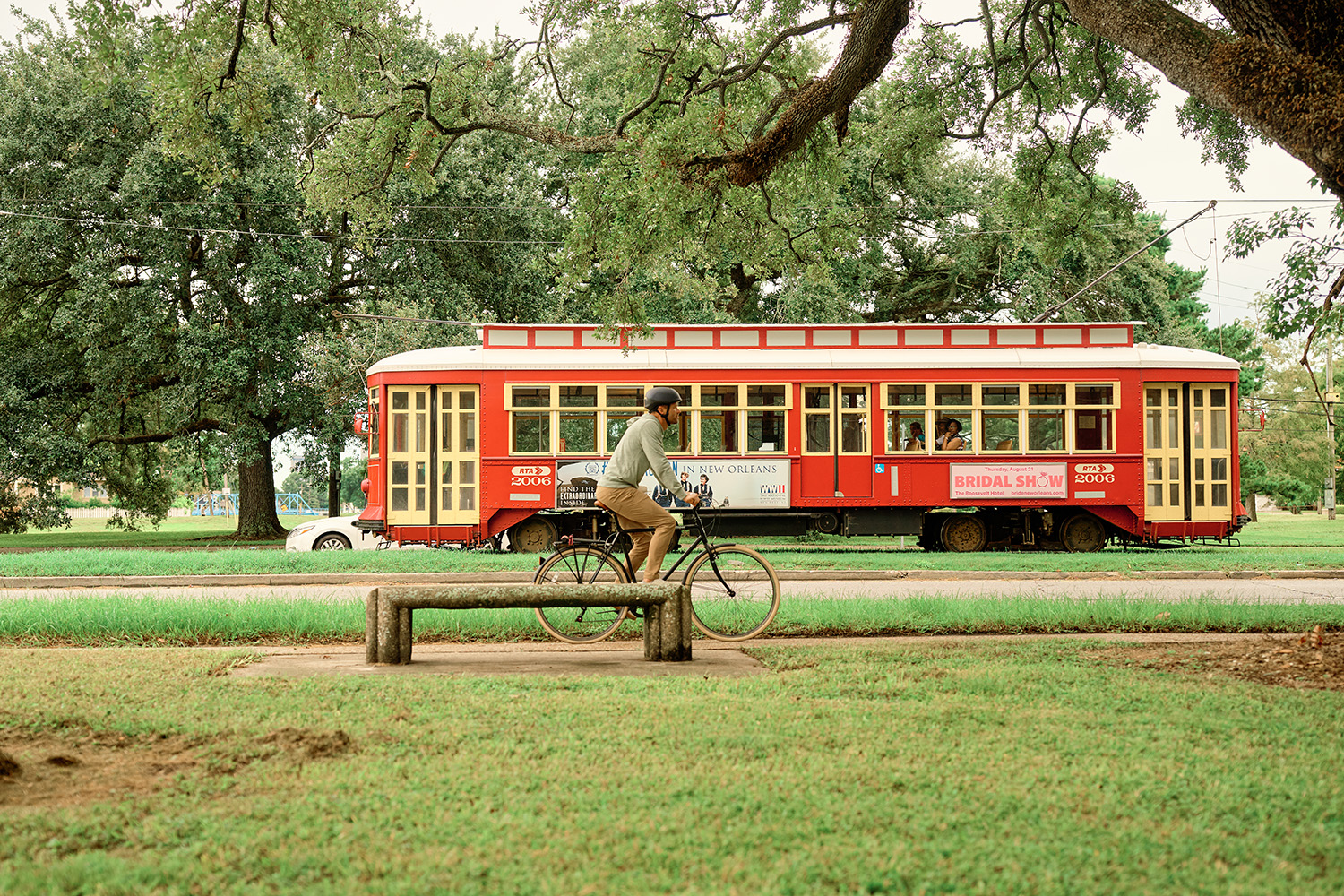
The Streetcar Advantage: The St. Charles Avenue Streetcar, one of the oldest continuously operating streetcar lines in the world, runs along the northern edge of the neighborhood. For residents who take the streetcar to work or for entertainment, it connects you directly to:
Uptown (10-15 minutes): Tulane and Loyola universities, restaurants, and bars
CBD (10-12 minutes): Downtown offices and businesses
Arts District (8-10 minutes): Museums, galleries, and cultural venues
Magazine Street: The Neighborhood's Spine: Magazine Street forms the neighborhood's economic and social center. Within walking distance of Josephine Lofts specifically, you'll find:
Coffee shops: Likely Coffee (specialty roasters, quiet space for remote work), Spitfire Coffee
Neighborhood bars: The Bulldog (craft beer focused), Molly's in the Marigny nearby
Restaurants: Cochon (James Beard Award-winning Cajun), Pêche Seafood Grill (reservations recommended), Pizza Domenica (casual neighborhood favorite)
Independent retail: Vintage shops, bookstores, antique dealers that give the neighborhood character
Who Lives Here, And Why They Stay
Spend a few months in the Lower Garden District and you start to see the pattern. The residents tend to be:
Working professionals in finance, law, tech, and corporate roles
Healthcare workers (nurses, physicians, residents) working at nearby hospitals
Remote workers who relocated from larger cities seeking lower cost of living
Longtime New Orleans residents who know that this neighborhood delivers on its promise without the party-scene exhaustion of Bourbon Street or the tourist infrastructure of the French Quarter

Reviews from Josephine Lofts residents consistently mention three things:
It's quiet. For a city as known for noise and energy as New Orleans, that's not a small thing. Night-shift nurses coming home at 7am, lawyers who need to think clearly, and remote workers on video calls at noon all need the same thing: a place that feels genuinely calm after the door closes.
The building quality matters. The original American Paint Works structure was built in 1916. The bones of the building, thick brick walls (14+ inches in places), high ceilings (12-14 feet), reclaimed hardwood floors, original tall windows, create a level of acoustic separation that modern construction simply doesn't replicate. It's not marketing. It's physics.
The location works. Residents report that they can walk to work, use the streetcar reliably, and access what they need without being pulled into the tourist economy.
Cost of Living Comparison: The Lower Garden District averages $1,800-2,400/month for a 1-bedroom apartment and $2,200-3,100/month for a 2-bedroom, making it 15-25% more affordable than the French Quarter or Uptown, while offering better walkability and quieter streets.
The Commute Reality for Healthcare Professionals
New Orleans has a large and growing healthcare sector. According to the Louisiana Workforce Commission, healthcare is the largest employment sector in Louisiana, with Ochsner Health System being the largest private employer in the state.
If you're a nurse, physician, resident, technician, or administrator, the Lower Garden District is one of the most strategically positioned neighborhoods in the city:
Ochsner Baptist Medical Center (Napoleon Avenue)
Distance: 3.8 miles from Josephine Lofts
Drive time: 8-12 minutes (off-peak), 15-20 minutes (peak hours)
Why it matters: This is Ochsner's flagship facility and the largest employer of healthcare workers in the region
University Medical Center (UMC) / LSU Health Sciences Center (Canal Street)
Distance: 2.1 miles from Josephine Lofts
Drive time: 5-8 minutes by car, 15-20 minutes via St. Charles Streetcar + connecting bus
Why it matters: UMC is the safety-net hospital for New Orleans and employs thousands of residents, nurses, and specialists
Ochsner on the Westbank / Ochsner West Bank Medical Center
Distance: 3.5 miles (via Crescent City Connection bridge)
Drive time: 12-15 minutes
Why it matters: For those rotating between facilities, Lower Garden District is central
Night Shift Considerations: For healthcare workers on rotating or night shifts, the ability to get home quickly and decompress in a quiet environment is not a lifestyle preference, it's a health decision. Research shows that reducing commute time for shift workers improves sleep quality by an average of 45 minutes per night. For nurses working 12-hour shifts, that matters.
View our 1 and 2-bedroom floor plans designed with healthcare professionals in mind
Dining and Daily Life
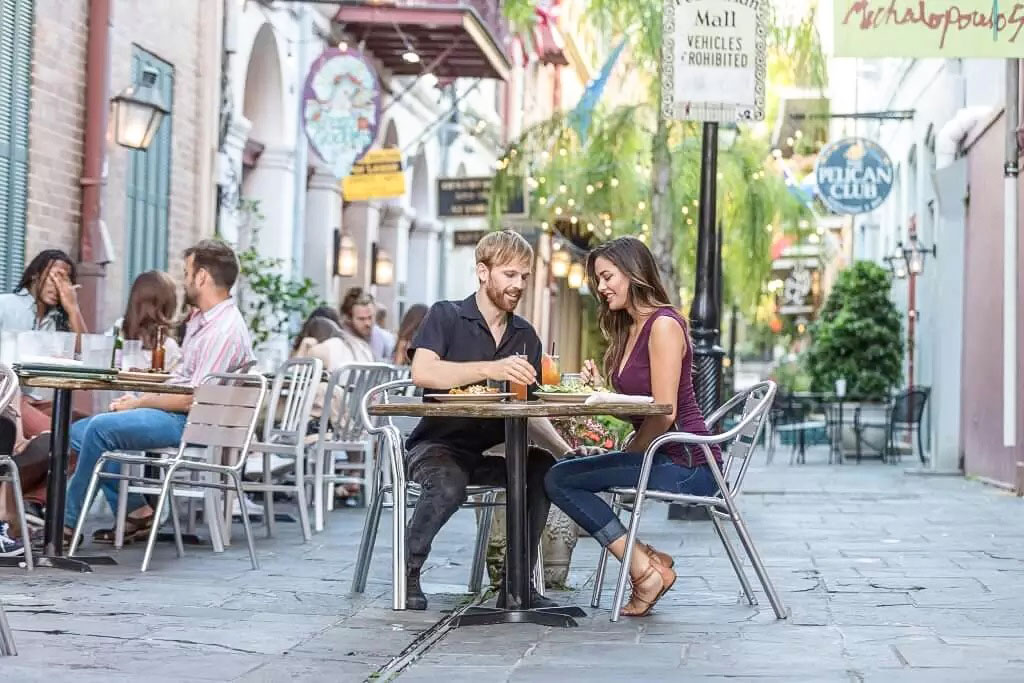
The Warehouse District is immediately adjacent to the Lower Garden District, giving residents access to award-winning restaurants without leaving the neighborhood ecosystem.
Fine Dining / Worth-a-Reservation Restaurants:
Cochon (Magazine Street): James Beard Award-winning Cajun restaurant; expect $25-40 entrees; reservations essential on weekends
Pêche Seafood Grill (Magazine Street): New Orleans dining institution; Gulf seafood focus; $20-35 entrees
Bar Marilou (Carondelet): Housed in a former library; thoughtfully made cocktails ($12-16); intimate atmosphere; open late
Casual/Neighborhood Favorites:
Pizza Domenica: Authentic Sicilian pizza; $12-18 per pie
Likely Coffee: Specialty roasters; popular with remote workers due to wifi and seating
The Bulldog: Craft beer bar; neighborhood hangout vibe
Grocery & Daily Errands:
Rouses Market on Magazine Street: Full selection with strong local product emphasis; prices 8-12% lower than Whole Foods; deli counter, prepared foods
Nearby pharmacies: CVS, Walgreens within easy walking distance
Dog-friendly amenities: Sidewalks are highly walkable with many businesses offering water bowls; Josephine Lofts' gated courtyard connects to green space; City Park (with NOLA City Bark dog park) is a 10-minute drive for weekend trips
Cultural Anchor: The National World War II Museum (a short 8-minute walk away) is one of the most visited museums in the United States and consistently rated among the best in the world. For residents who move to New Orleans from other cities, it's the kind of anchor institution that makes you realize this city offers something most American cities don't: genuine cultural significance within walking distance of home.
What to Look for in a Lower Garden District Apartment
The neighborhood has a range of housing options, from historic single-family homes converted to rentals to larger modern apartment complexes to boutique communities like Josephine Lofts. A few things worth evaluating before signing a lease anywhere in this area:
1. Noise and Insulation (Critical for Healthcare Workers) While the neighborhood is relatively quiet for New Orleans, the construction quality of individual buildings varies significantly.
Best acoustic performance: Older buildings built before 1950 with brick walls 12+ inches thick and plaster walls (not drywall)
Worst acoustic performance: 1990s-2000s wood-frame apartment complexes with thin walls
Josephine Lofts advantage: Built 1916, 14-inch brick walls, plaster interior walls, high ceilings, acoustic separation rated higher than modern construction
2. Parking and Security Magazine Street and Tchoupitoulas can have street parking challenges, particularly on weekends. Gated on-site parking is worth prioritizing if you have a vehicle. Josephine Lofts includes gated secure parking for all residents, a significant advantage in this neighborhood.
3. Proximity to the Streetcar If you plan to use public transit for your commute, proximity to the St. Charles line makes a meaningful difference in daily convenience. Josephine Lofts is within a 2-minute walk of the streetcar.
4. Building Character & Original Features This neighborhood's real estate stock includes some of the most architecturally interesting buildings in the city. Look for:
Exposed brick
High ceilings (12+ feet)
Original hardwood floors
Large historic windows with natural light
Original plaster walls (better for sound insulation)
These features make a genuine difference in how a home feels to live in day-to-day.
Josephine Lofts features all of these elements. View our 1 and 2-bedroom floor plans to see the original details and specifications
The Honest Bottom Line
The Lower Garden District is not the most famous neighborhood in New Orleans. It is, by almost every measure that matters to the way most professionals want to live, one of the best.
Quiet streets with proven acoustic quality
Real community without the tourism exhaustion
A commute that makes measurable sense (5-12 minutes to most workplaces)
Restaurants worth having strong opinions about
A building stock with actual character and original architecture
Access to everything the city offers without being consumed by it
Ready to explore? If you're considering apartments in the Lower Garden District, Josephine Lofts at 427 Jackson Avenue is worth a visit. Schedule a tour
View our current floor plans and availability
Tours are available Monday through Friday, and the leasing team can be reached at (504) 524-5404.
Josephine Lofts is a boutique 36-unit loft community in New Orleans' Lower Garden District specializing in apartments for professionals, healthcare workers, and remote workers seeking quality of life. 1 and 2 bedroom apartments available. Pet friendly. Gated parking. Historic 1916 building with modern amenities.